
 Englisch
 简体中文
简体中文
 Chinesisch
 Englisch
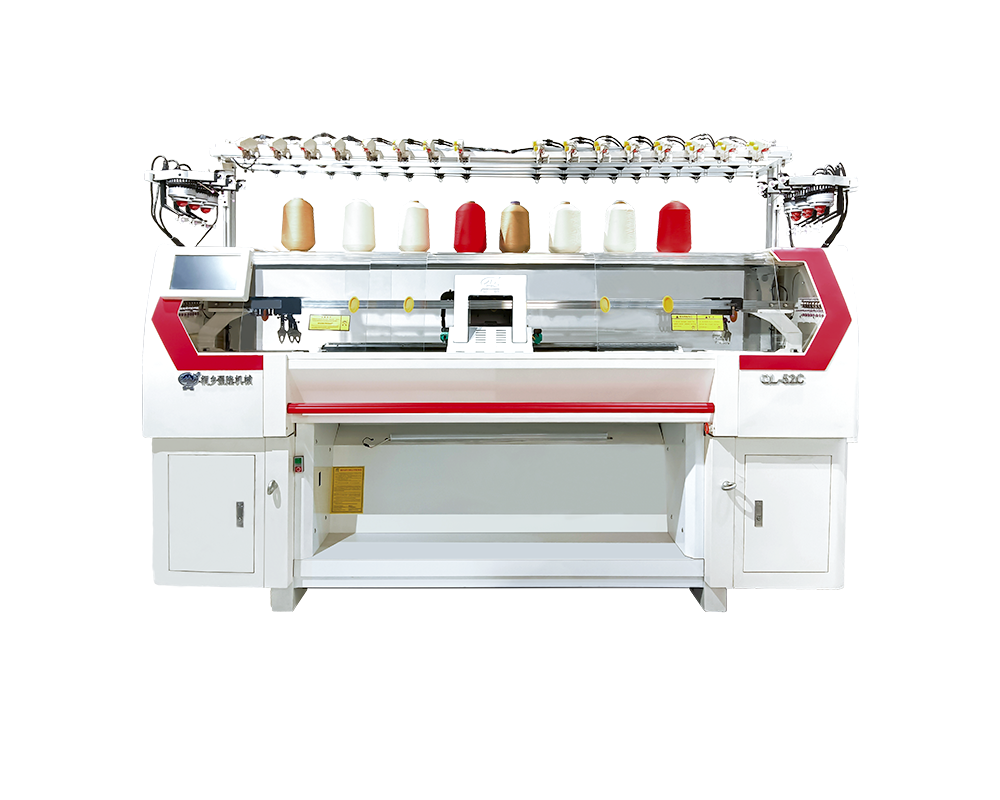
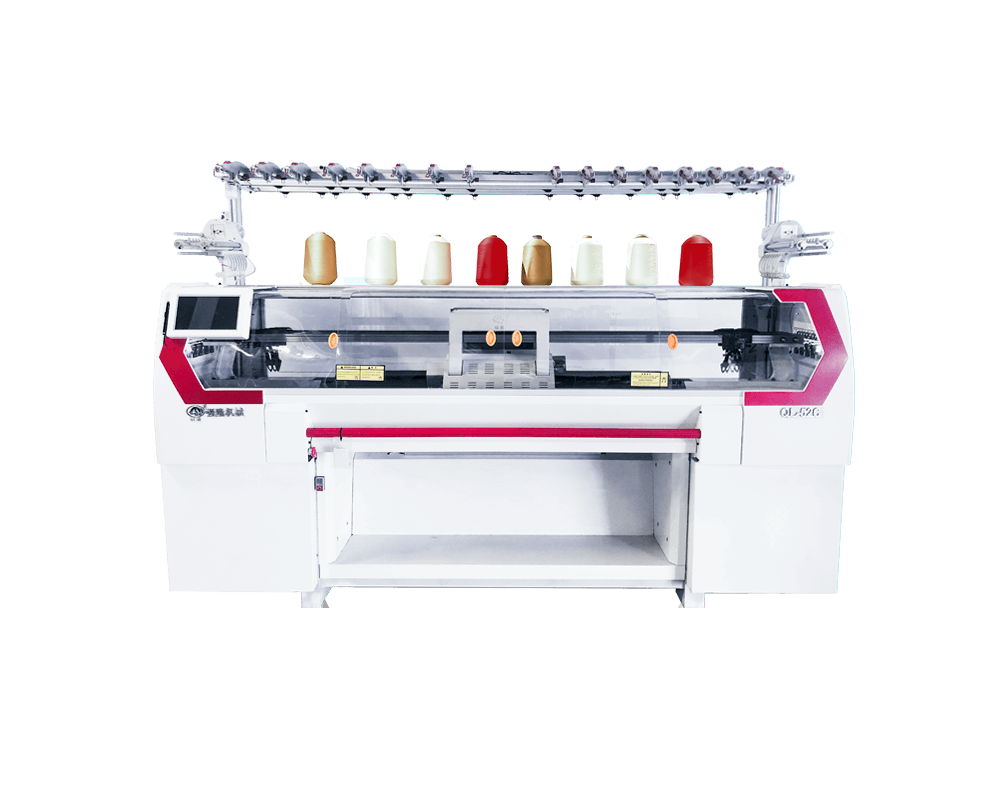
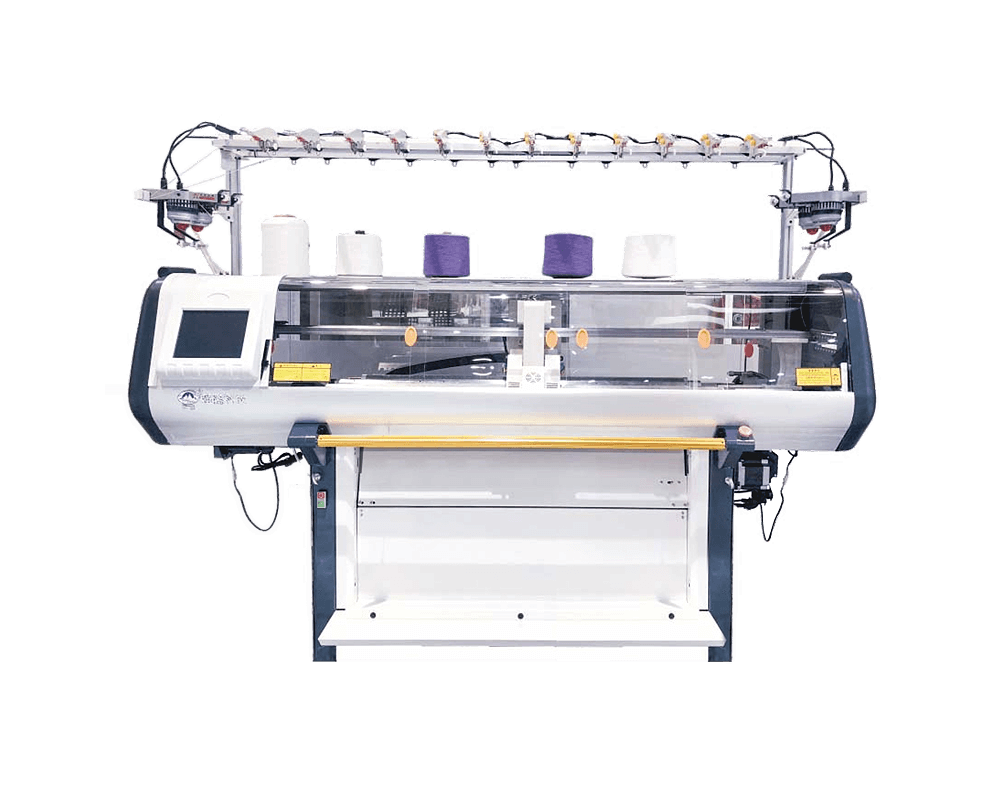
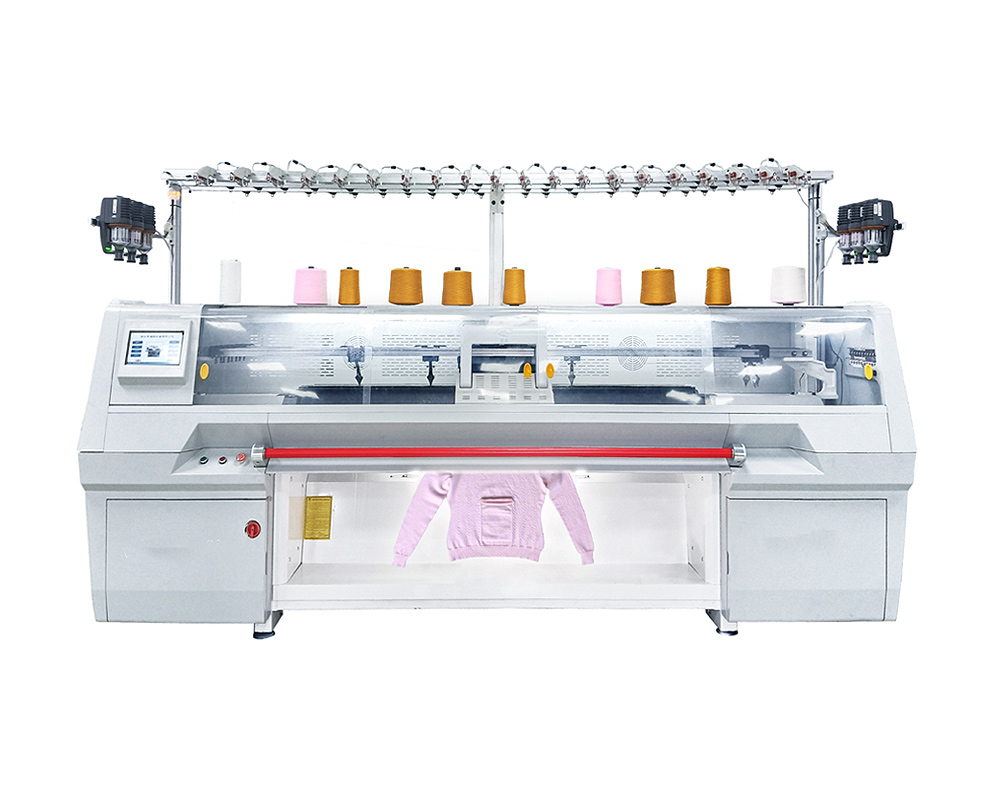
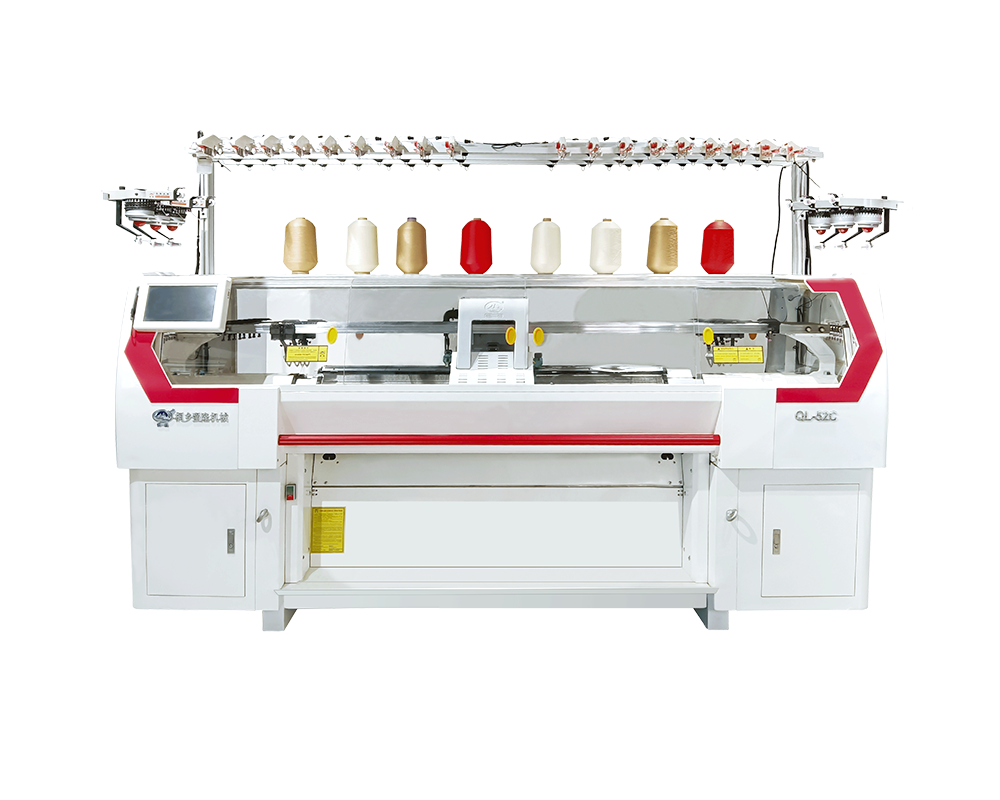
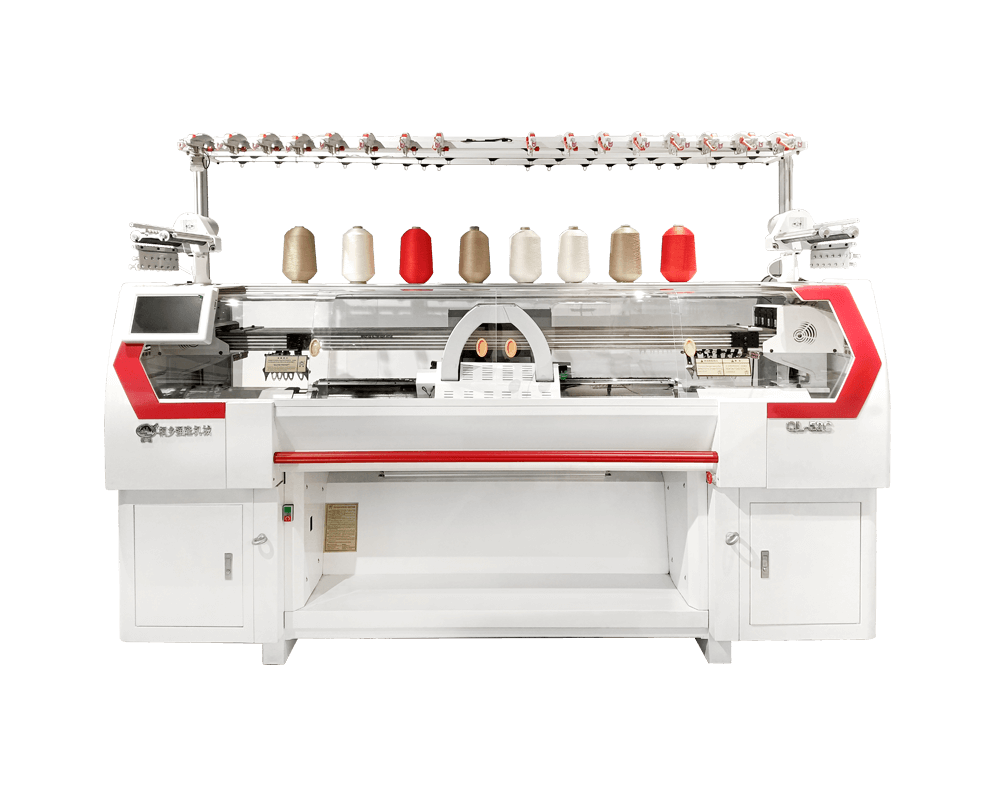
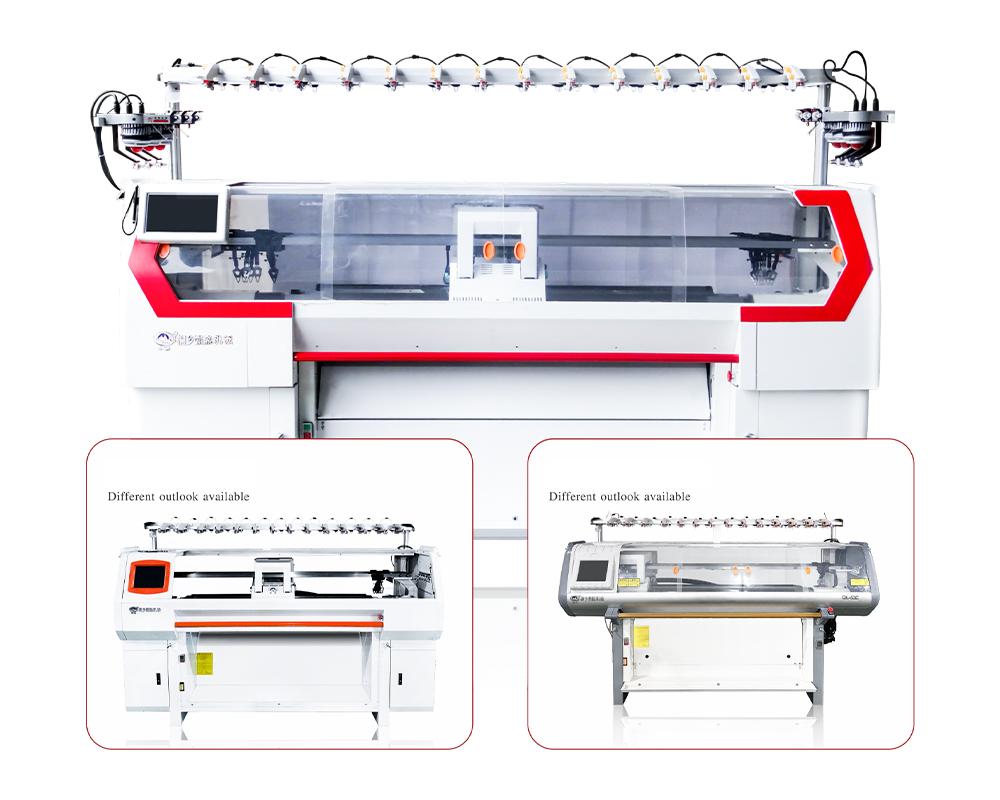
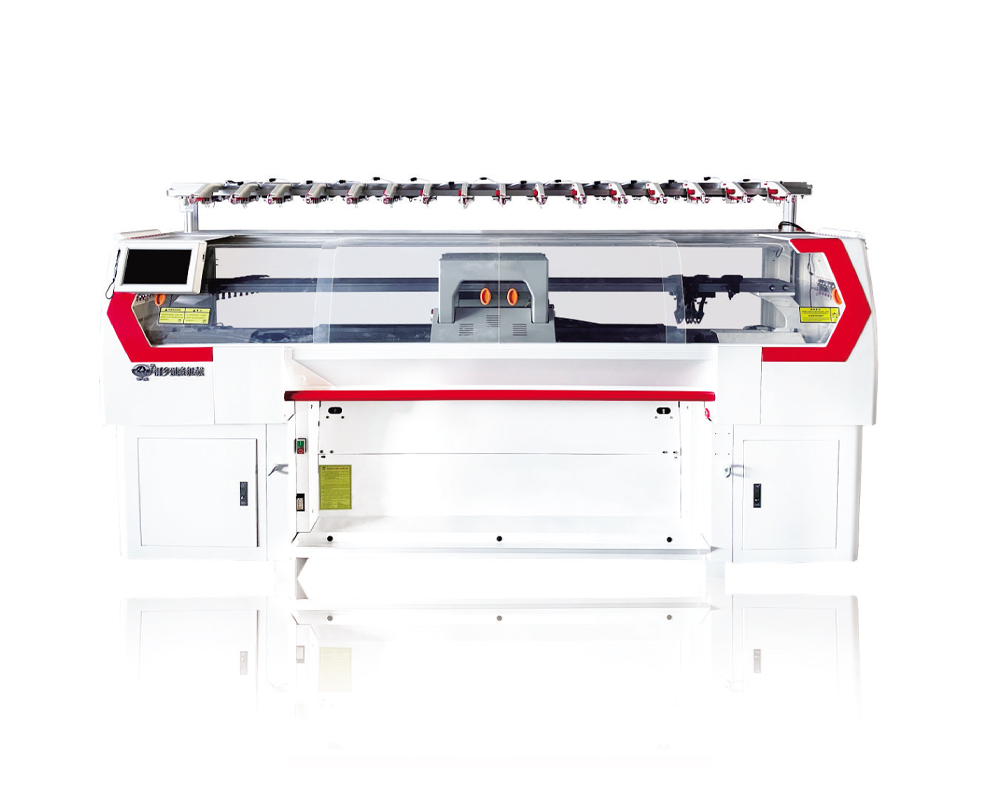
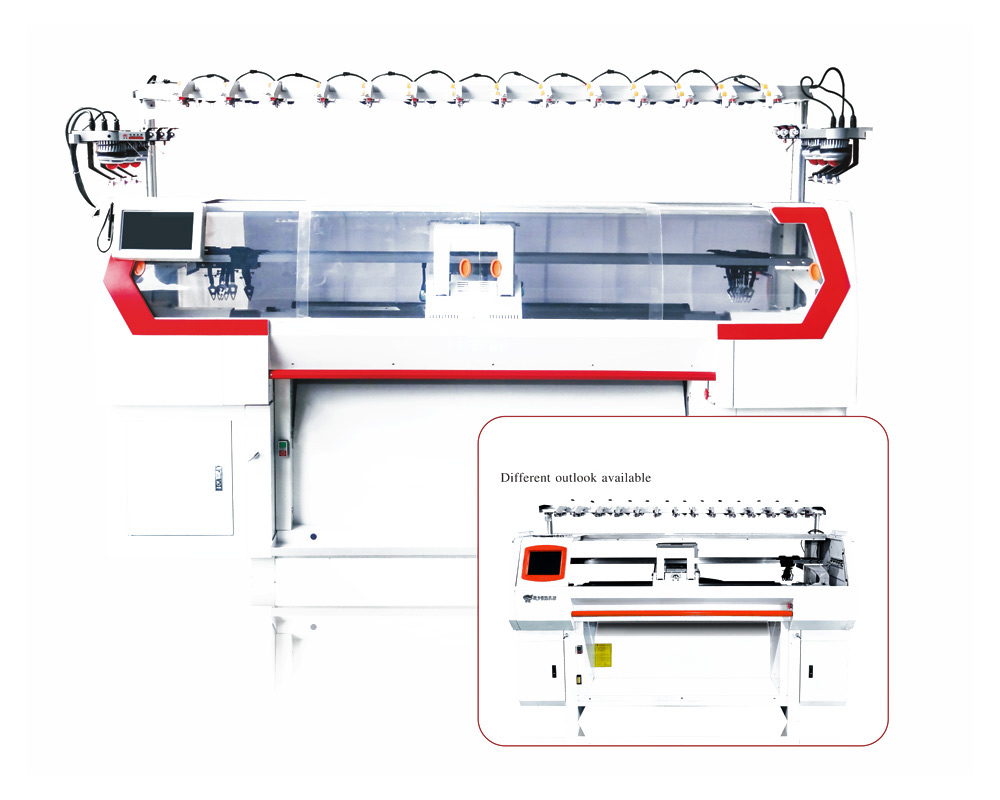

Tongxiang Qianglong Machinery Co., Ltd. ist Hightech Hersteller von computergesteuerten Flachstrickmaschinen in China im Großhandel, spezialisiert auf die Konstruktion, Entwicklung und Herstellung von Strickmaschinen.
Walk through any modern footwear factory, and you will likely see a row of computerized knitting machines turning yarn into seamless shoe uppers in a matter of minutes. The equipment behind this process is generally called a 3D flyknit knitting machine. It is not a 3D printer; it is a computer-controlled flat knitting machine that produces three-dimensional textile parts directly on the needle bed. Because the technology eliminates most cutting and sewing, it reduces material waste, shortens production time, and enables designs that are difficult to achieve with conventional cut-and-sew methods.
What Is a 3D Flyknit Knitting Machine?
A 3D flyknit knitting machine works on the same loop-forming principles as a standard flat knitting machine, but its control system, needle beds, and yarn carriers are designed to shape fabric as it grows. Instead of producing flat panels that are later sewn together, the machine increases, decreases, or transfers stitches on selected needles to create a contoured structure. For footwear, that means the toe, heel, vamp, and collar can be knitted as a single upper. For apparel, a whole-garment machine can knit the front, back, and sleeves together, producing a complete sweater without side seams.
How It Differs from a Regular Flat Knitting Machine
The critical difference is the ability to create shaped, closed surfaces using multiple needle beds and automatic stitch transfer. A standard machine often has two needle beds and moves fabric back and forth in flat rows; a 3D flyknit machine may use four beds and multiple yarn feeders working around the fabric in a programmable sequence. The result is a near-net-shape textile that comes off the machine with little or no finishing work.
| Aspect | Traditional Cut-and-Sew | 3D Flyknit Knitting |
|---|---|---|
| Material waste | 15–30% from cutting | Under 5% in many cases |
| Seams | Many | Minimal or none |
| Labor involved | Cutting, sewing, inspection | Programming and supervision |
| Style change lead time | Days to weeks | Hours to days |
| Design complexity | Limited by assembly | Built into stitch pattern |
What Can You Make with a 3D Flyknit Knitting Machine?
Seamless Shoe Uppers
The most common application is knitted shoe uppers for running shoes, casual sneakers, and work boots. One piece of knit fabric can cover the foot with targeted ventilation, stretch zones, and support zones. This removes the need for separate toe boxes or heel counters, and it contributes to a lighter, more comfortable shoe. For a more complete picture of the possible end products, you can read about the broader applications of 3D flyknit knitting machines .
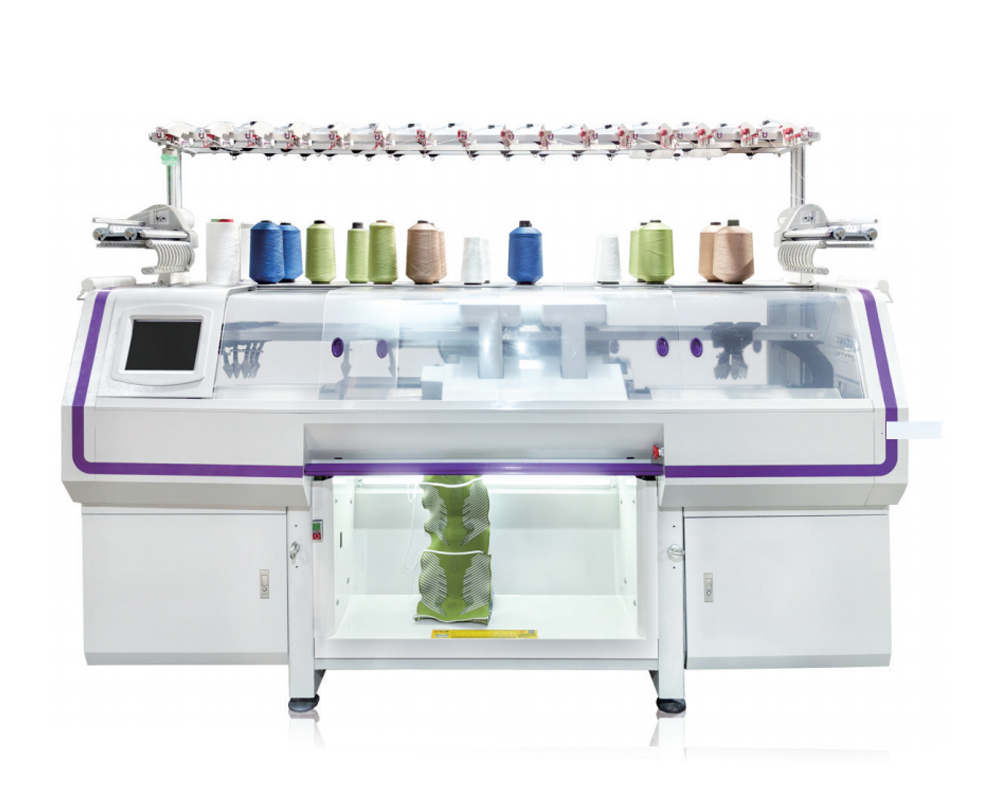 3D Shoe Upper Knitting Machine for Seamless Footwear Production This series of fully automatic computer knitting machines is designed specifically for knitting seamless shoe uppers, offering high efficiency and support for multiple yarn types. It is the mainstream choice for professional 3D shoe upper manufacturing, as referenced in the discussion of knitted footwear applications. View Product →
 Whole Garments
Whole-garment knitting extends the same principle to clothing. A sweater or soft knit dress can be produced in one piece, including sleeves, with only the collar and cuffs requiring minor finishing. This approach is especially attractive for knitwear brands that want to avoid costly linking and scanning operations. QiangLong’s whole-garment model is built for this type of production, allowing a single machine to produce a substantial share of a small collection.
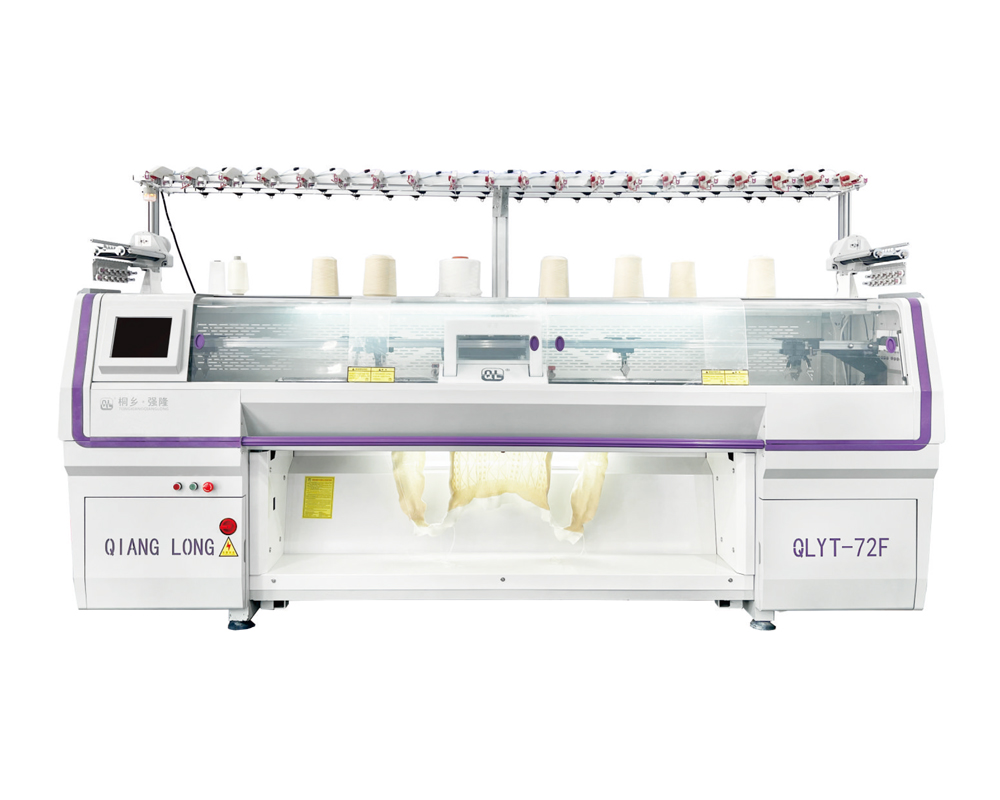 Whole Garment Knitting Machine for One-Piece Apparel This machine knits an entire sweater or garment in one piece, eliminating sewing and linking steps. It supports various yarns and patterns, making it ideal for knitwear brands seeking efficient, seamless garment production as highlighted in the context of whole-garment knitting. View Product →
 Beyond Apparel and Footwear
Three-dimensional knitting is also used for compression garments, medical braces, and even certain automotive or furniture textiles. The ability to knit channels, padding, and curvature into a single layer makes the technology useful whenever a seamless shell or moulded textile part is needed. For most factories, however, the immediate volume is in knitted uppers and seam-free apparel.
Key Specifications to Compare
When you are choosing a 3D flyknit knitting machine, the specification sheet matters less than how those specifications match your product mix. These are the ones that affect cost and output most directly.
| Specification | What It Affects |
|---|---|
| Gauge | Fabric density, yarn thickness range, hand feel, and garment weight |
| Knitting width | Maximum product dimension and the number of panels per row |
| Number of systems | Production speed, number of colors or yarns, and pattern complexity |
| Yarn feeding options | Yarn tension, feeding precision, and compatibility with textured or elastic yarns |
| Control system | Ease of programming, pattern file handling, and integration with production software |
Gauge and Knitting Width
Gauge refers to the number of needles per inch on the needle bed. A lower gauge, such as 7G, uses thicker yarn and produces a heavier, airy fabric for sweaters; a higher gauge, such as 15G, creates a denser, thinner fabric for shoe uppers or lightweight knitwear. Knitting width determines the maximum size of a single knitted piece. For shoe uppers, a machine with a working width of 48 to 52 inches can typically produce multiple uppers side by side. For whole-garment machines, width often determines whether a sweater can be knitted as a complete tubular body.
Number of Systems
A “system” is a carriage-and-yarn-feeder unit that can knit across the needle bed. Single-system machines are slower but simpler. Double- and three-system machines have two or three feeders working together, which shortens knitting time and allows more colors or yarns to be introduced in the same course. Three-system machines are common for flyknit shoe uppers because they can knit the main body, logos, and support structures more efficiently. For a factory that wants to move between different product types, a three-system computerized flat knitting machine series offers a practical balance of speed and flexibility.
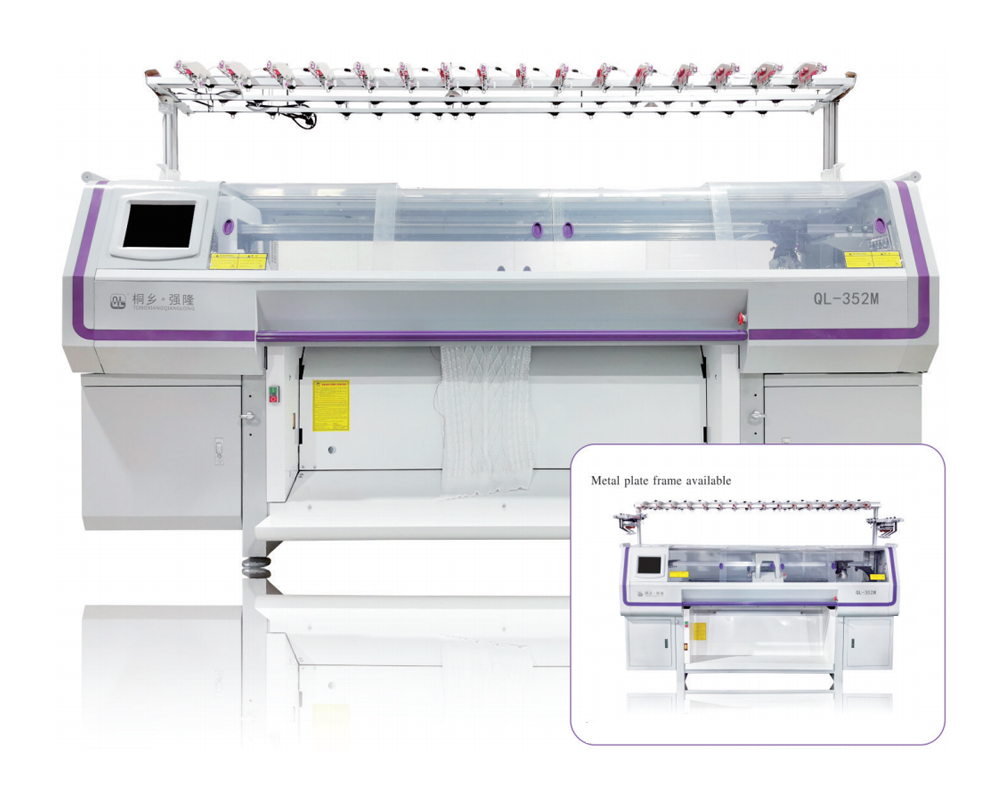 Three-System Computerized Flat Knitting Machine Series This triple-system flat knitting machine offers a balance of speed and flexibility, suitable for knitting shoe uppers, sweaters, and accessories. It provides digital control and multiple gauge options, making it a practical choice for factories that need to switch between product types. View Product →
 Why Machine Quality and Support Matter
A 3D flyknit machine is not a disposable appliance. It is expected to run continuously on a factory floor, and small differences in needle quality, frame rigidity, and control-system stability show up quickly in fabric consistency. In our experience, buyers should place more weight on the maker’s track record than on a brochure. Look for a manufacturer that has been building computerized knitting machines for a long time, has a substantial spare-parts inventory, and can provide on-site training and fast technical support.
QiangLong Machinery, for example, has been involved in knitting machinery manufacturing for more than three decades. Based in Tongxiang, it now occupies a large manufacturing campus and sells single-system, double-system, three-system, whole-garment, and shoe upper knitting machines. That range means you can test a machine against your actual product before you commit, and it also means the after-sales team is familiar with a wide variety of production problems. When you compare equipment, ask the manufacturer for contact details of factories using the same model for a similar application.
Planning Your Production Workflow
The Design and Programming Stage
Every 3D flyknit product starts as a pattern file. The design software allows you to place knit, tuck, and miss stitches on a virtual needle bed, then simulates the fabric before you use any yarn. A good control system will accept industry-standard file formats and streamline the transfer from design room to machine. Your team should be comfortable with this step, because programming skill determines how quickly you can launch new styles.
Operator Training and Maintenance
Most factories need at least one trained programmer and one or more machine operators. Look for a manufacturer that includes training on both programming and routine maintenance. Daily cleaning, needle inspection, and calibration of yarn feeders are not optional; a machine that receives simple preventive care can hold its knitting quality for years. Ask about spare parts for frequently worn components such as needles, sinkers, and yarn feeders.
Cost and Payback Considerations
The purchase price of a 3D flyknit knitting machine depends on gauge, width, number of systems, and optional devices such as motorized feeders or zero-finishing yarn comb systems. An industrial three-system shoe upper machine will cost more than a simple single-system collar machine, but the difference reflects production speed and capability. The bigger financial question is how you measure payback.
The savings come from several directions. A seamless upper eliminates cutting waste, which is typically 15–30% of material in a conventional cut-and-sew line. Whole-garment production reduces labor otherwise spent on sewing panels, matching stripes, and finishing seams. Sampling time also drops because a new pattern can be loaded on the machine in minutes and knitted as a sample the same day. These benefits grow with production volume. If you are considering a purchase, list your estimated monthly production, average yarn cost, and labor cost per unit to build a realistic payback model.
Choosing a 3D flyknit knitting machine comes down to matching the machine to the shape you want to knit, the yarn you need to process, and the output you plan to run. Define the product range in terms of gauge and piece length first, then compare how each machine handles stitch transfer, color changes, and fabric quality. A manufacturer that can demonstrate its equipment in your own application is safer than one that only sends a quote. If you want to discuss your production goals and machine configuration, you can contact QiangLong Machinery directly through their website.
